Allied Castles

Allied Castles

Allied by marriage, bound by learning

No Gaelic lordship stood alone. The O’Dubhda held the coast — but their reach ran inland through the castles of their in-laws, their ollamhs, and the lords whose quarrels and loyalties shaped the wider north Connacht world. These are not O’Dubhda castles. They are the castles that stood beside them.

The Network in the Landscape

Pinned on the same map as the O’Dubhda castles — because these are the places alliance carried the clan. Ballymote and Lackan inland; Parke’s east into Bréifne; Carrowmably a late sentinel on the home coast.

Interactive map of O'Dubhda castle sites along the North Connacht coast — click any pin for details.

The Allied Castle Tour

Four neighbouring castles — each carrying a piece of the O’Dubhda story through marriage, learning, or the shared defence of the coast.

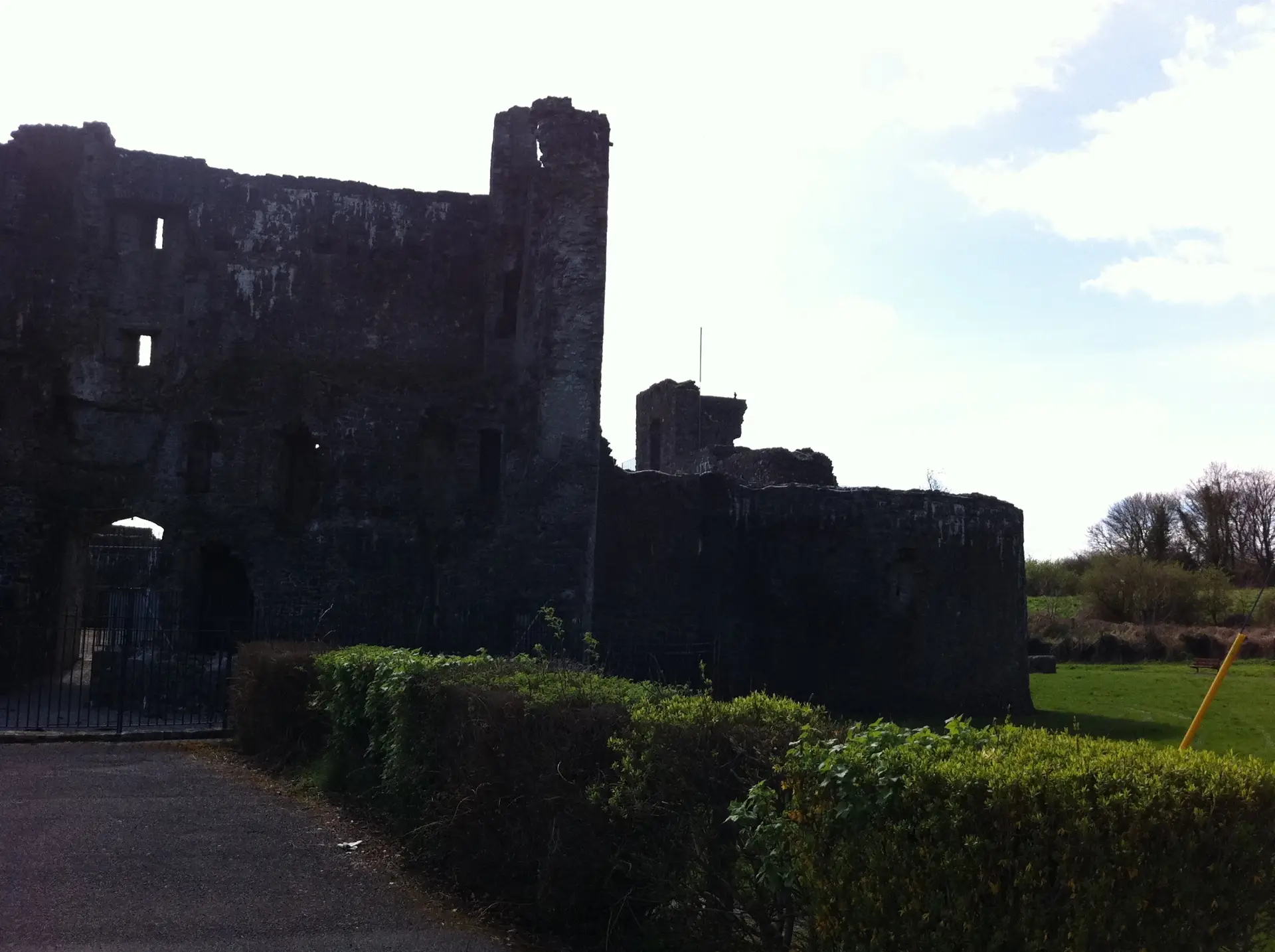
Ballymote Castle

Where MacFirbis compiled the Book of Ballymote in 1391 for the MacDonnchadh lords.
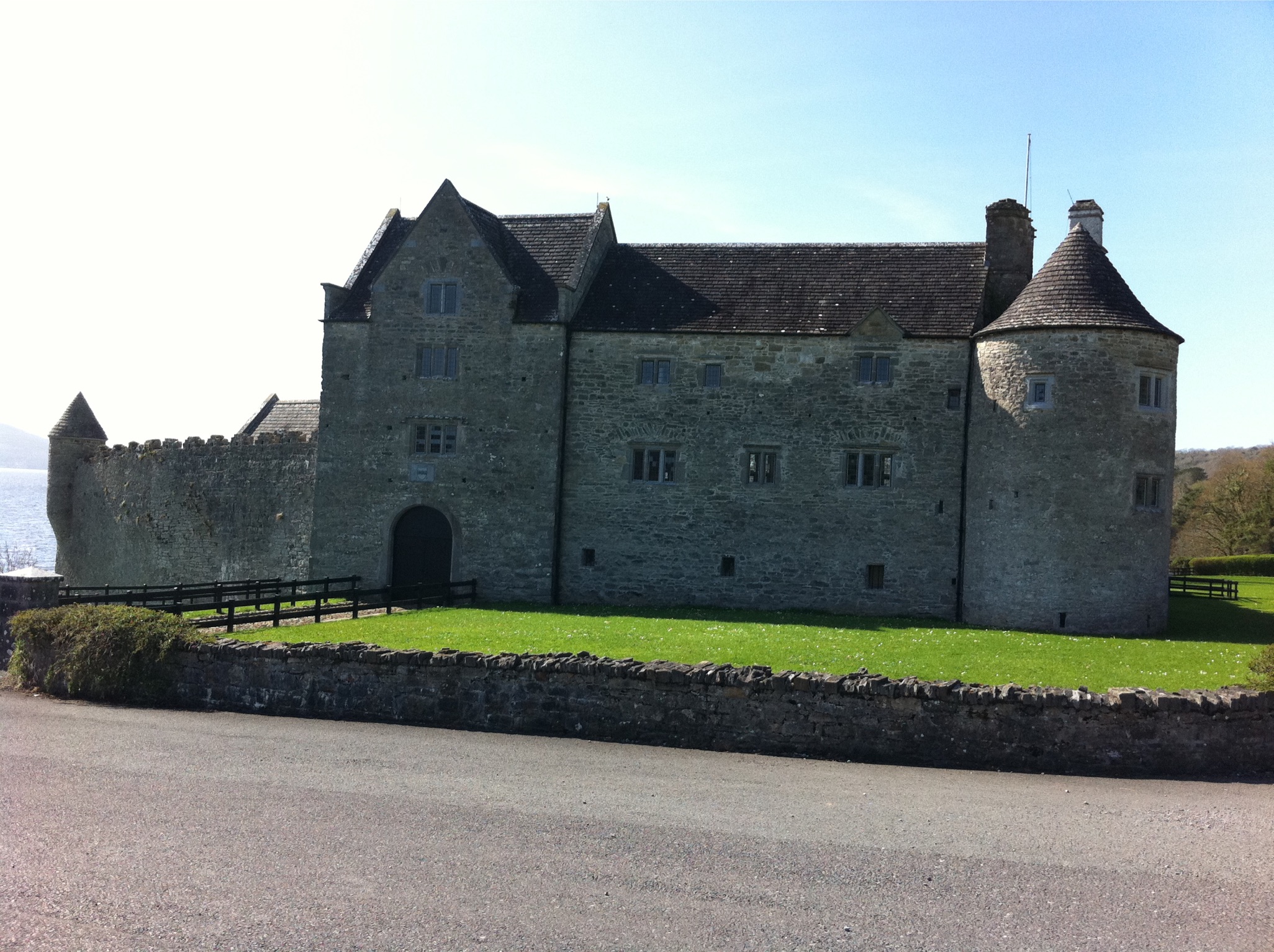
Parke's Castle from the south-east — a seventeenth-century fortified manor on the shore of Lough Gill, Co. Leitrim

Parke's Castle

A plantation-era house on Lough Gill, raised on the remains of an O'Rourke stronghold.
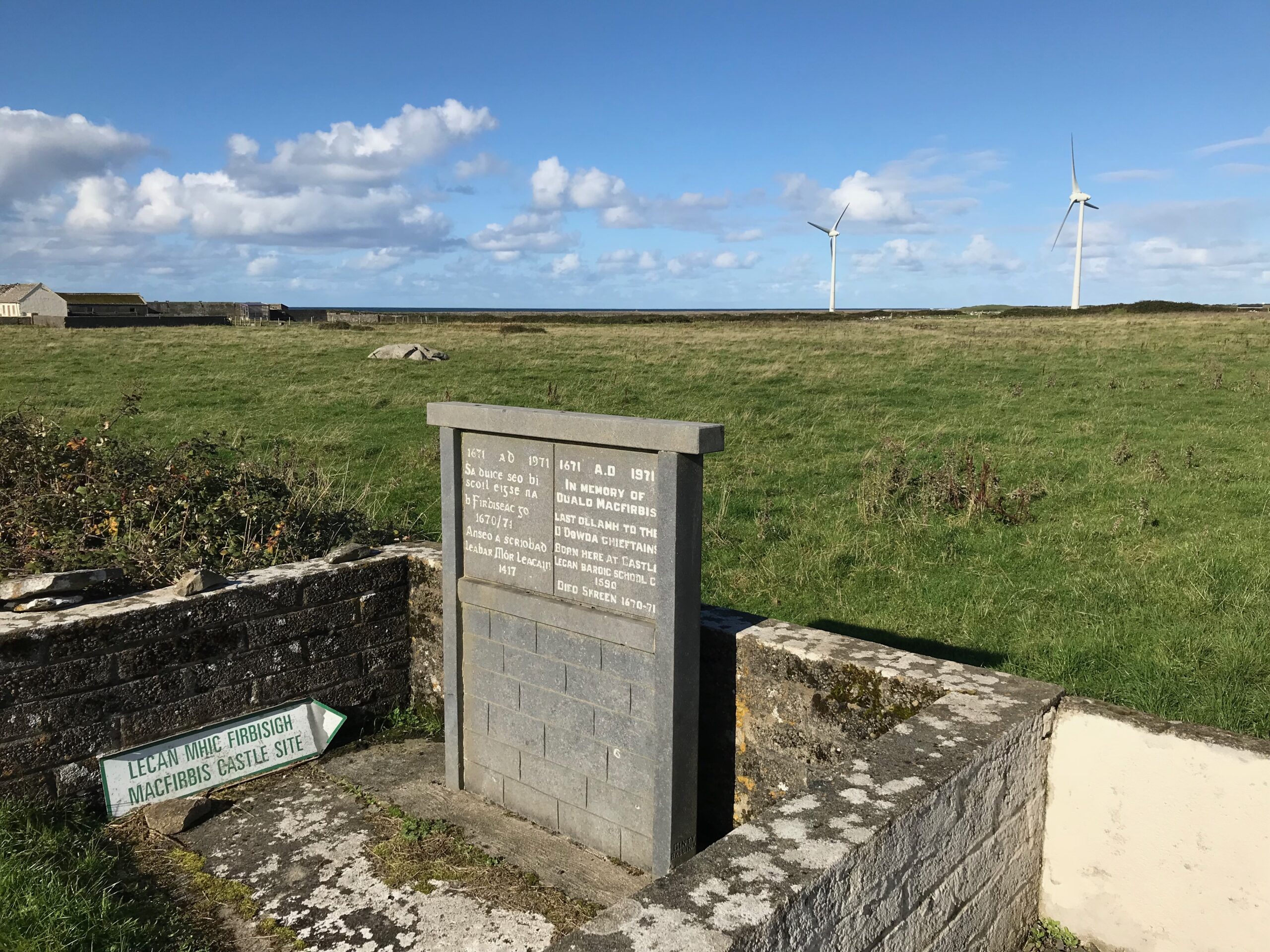
The memorial stone and road sign for Lecan Mhic Fhirbhisigh at Carrowhubbock North, Kilglass, with the Atlantic and wind turbines in the distance

Lackan Castle

The MacFirbis seat — cradle of the Great Book of Lecan and the Yellow Book of Lecan.
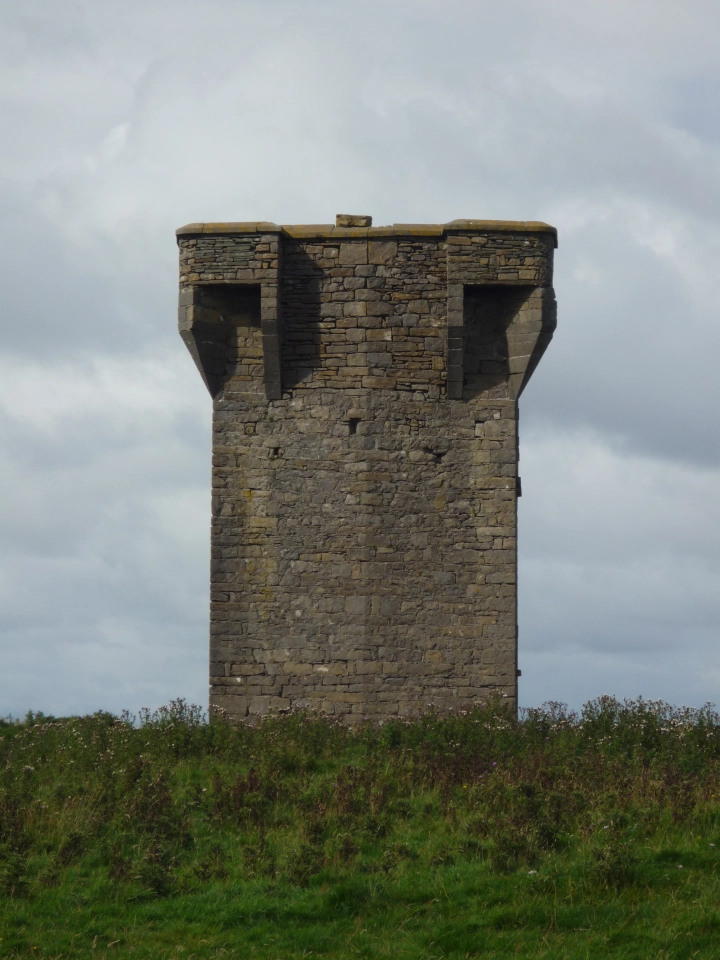
Carrowmably Signal Tower (1804), County Sligo — stone tower on a coastal hilltop above the Atlantic.

Carrowmably Signal Tower

A Napoleonic-era watchtower on the Tireragh coast, standing on ancient O'Dubhda ground.

Why These Walls Matter

The O’Dubhda were part of a web of Gaelic lordships, learned families, and later settler houses who shared this north Connacht corner of the island. A clan is never just its castles — it is also the castles of the families it married into, the ollamhs it retained, the neighbours it stood with and the neighbours it fought.

Lackan is where the Mac Firbis — hereditary historians to the O’Dubhda — kept their bardic school and wrote the Great Book of Lecan between 1397 and 1418. Ballymote, forty kilometres east, is a larger Anglo-Norman castle the O’Dubhda never owned, but at its 1652 surrender to Cromwellian forces the officer who signed the Articles was Lieutenant-Colonel Tadhg Riabhach O’Dubhda — the last recorded act of an O’Dubhda commander in the field. Parke’s stands on O’Rourke ground in Bréifne, a seventeenth-century plantation manor raised on a demolished Gaelic tower house — reminder that alliance ran east as well as south. Carrowmably is later still, a Napoleonic signal tower of 1804–06, but it rises on the old coastline the O’Dubhda had watched for seven centuries.

Visiting in Person

The allied castles vary widely in accessibility — from a fully restored state-run heritage site to a farmland ruin on private ground. All four can be visited; plan according to each one’s circumstances.

State-Managed Heritage Sites

  • Parke’s Castle — Managed by the Office of Public Works (OPW) on the shore of Lough Gill, Co. Leitrim. Seasonal opening, guided tours, visitor centre. The most fully restored and interpreted site on this list.

Publicly Viewable Sites

  • Ballymote Castle — Substantial Anglo-Norman ruin in the centre of Ballymote town, Co. Sligo. Enclosed by fencing but clearly visible from the surrounding streets. Periodic OPW conservation work.
  • Carrowmably Signal Tower — Coastal tower ruin near Dromore West, Co. Sligo, visible from the Tireragh coast road. Stands on rough ground; closest approach is over fields.

Memorial / Private Ground

  • Lackan (Lecan Mhic Fhirbhisigh) — The castle itself is long gone; a modern memorial stone on private farmland marks the MacFirbis scholarly seat near Enniscrone. Seek landowner permission before visiting.

Practical Advice

Parke’s aside, these are not signposted tourist stops. Bring good boots, a waterproof, and an Ordnance Survey map. Respect all livestock fencing and close gates behind you. If in doubt, ask locally — farmers and townspeople around each site generally know the history well and are often glad to share it.

Ready to walk beside them?

Please note: This website is under construction with the intent to go live on October 7th at the O'Dubhda clan reunion this year (2025). For more details please see the official current site here: https://odubhdaclan.com/