Castles

THE CLAN ARCHIVE · CASTLES

The Castles of the O’Dubhda

Caisleáin na nDubhdach
“Stone sentinels of a lordship that held the north Connacht coast for seven centuries.”

A story still being rediscovered

Family archives speak of twenty-four castles and fifty-two towns held by the O’Dubhda across modern Mayo and Sligo. The castles mapped here are confirmed sites — traditional Gaelic strongholds, adapted Norman towers, and purpose-built tower houses guarding the coast. New sites surface every year. This is not a finished list.

Where the O'Dubhda Ruled

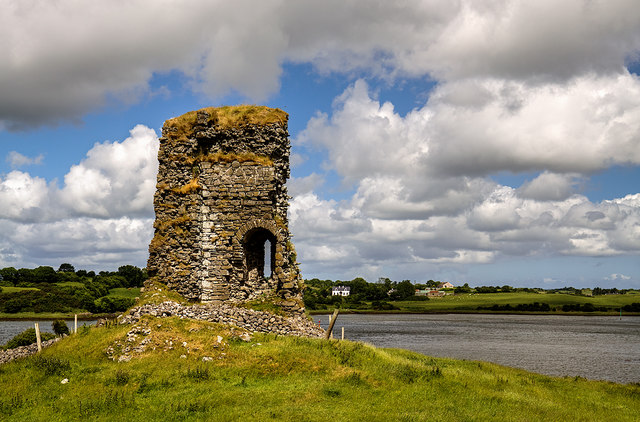
The castles cluster along the coasts of Killala Bay and Sligo Bay — a line of watchposts facing the Atlantic.

Interactive map of O'Dubhda castle sites along the North Connacht coast — click any pin for details.

The Castle Tour

Walk the confirmed O’Dubhda castles one by one. Each stop carries its own piece of the story — a marriage, a siege, a lineage, a stone that remembers.

Ardnaglass Castle ruin, Ardabrone townland, Co. Sligo

Ardnaglass Castle

Where Norman stone met Gaelic blood through the Bourke marriage.
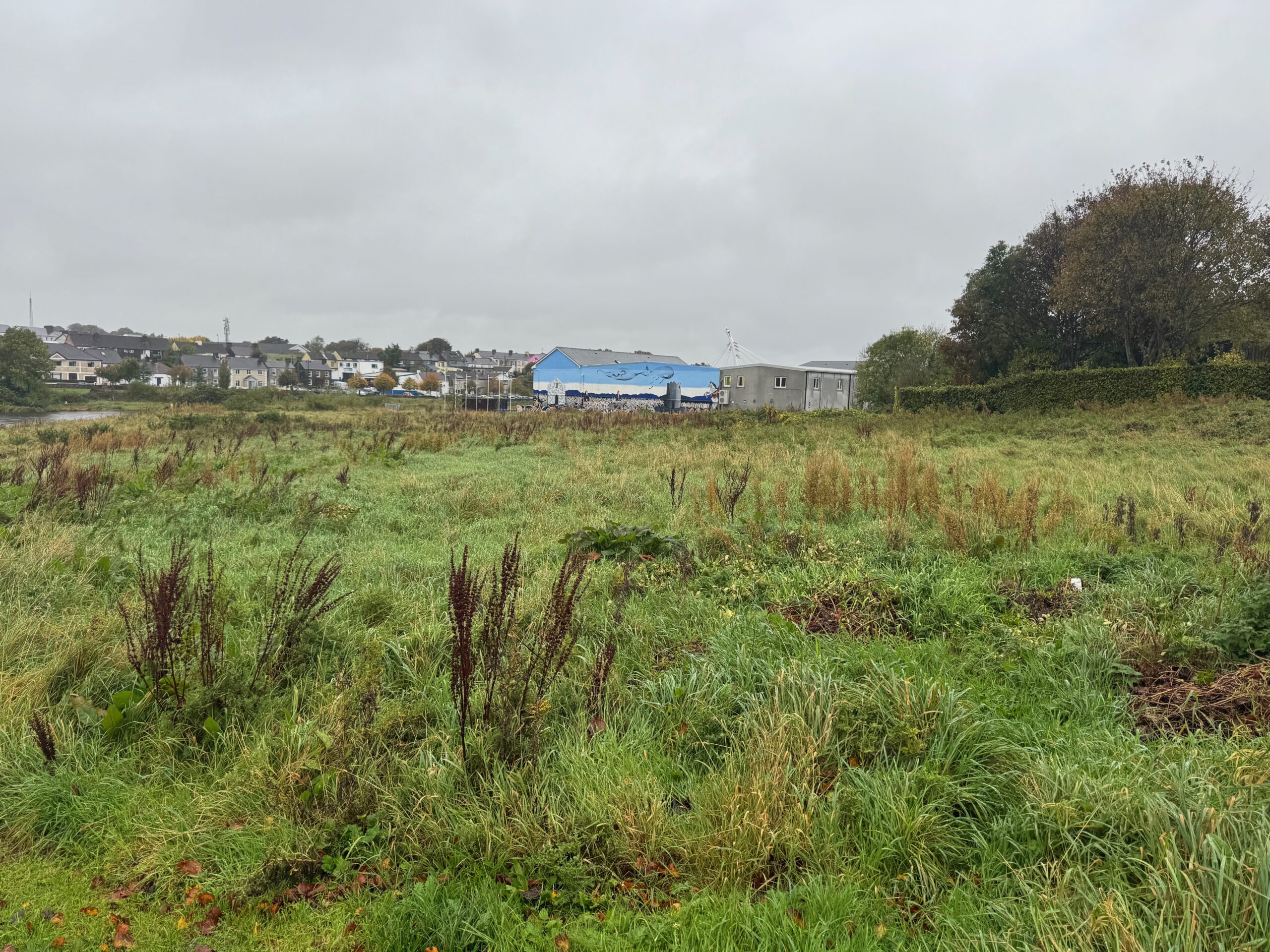
View across Ardnarea Castle site toward Ballina

Ardnarea

The ridge above Ballina — the seat of the O'Dubhda chiefs.

Castleconnor Castle ruin above the River Moy, County Sligo

Castleconnor

A guardpost on the Moy estuary, changing hands across centuries.
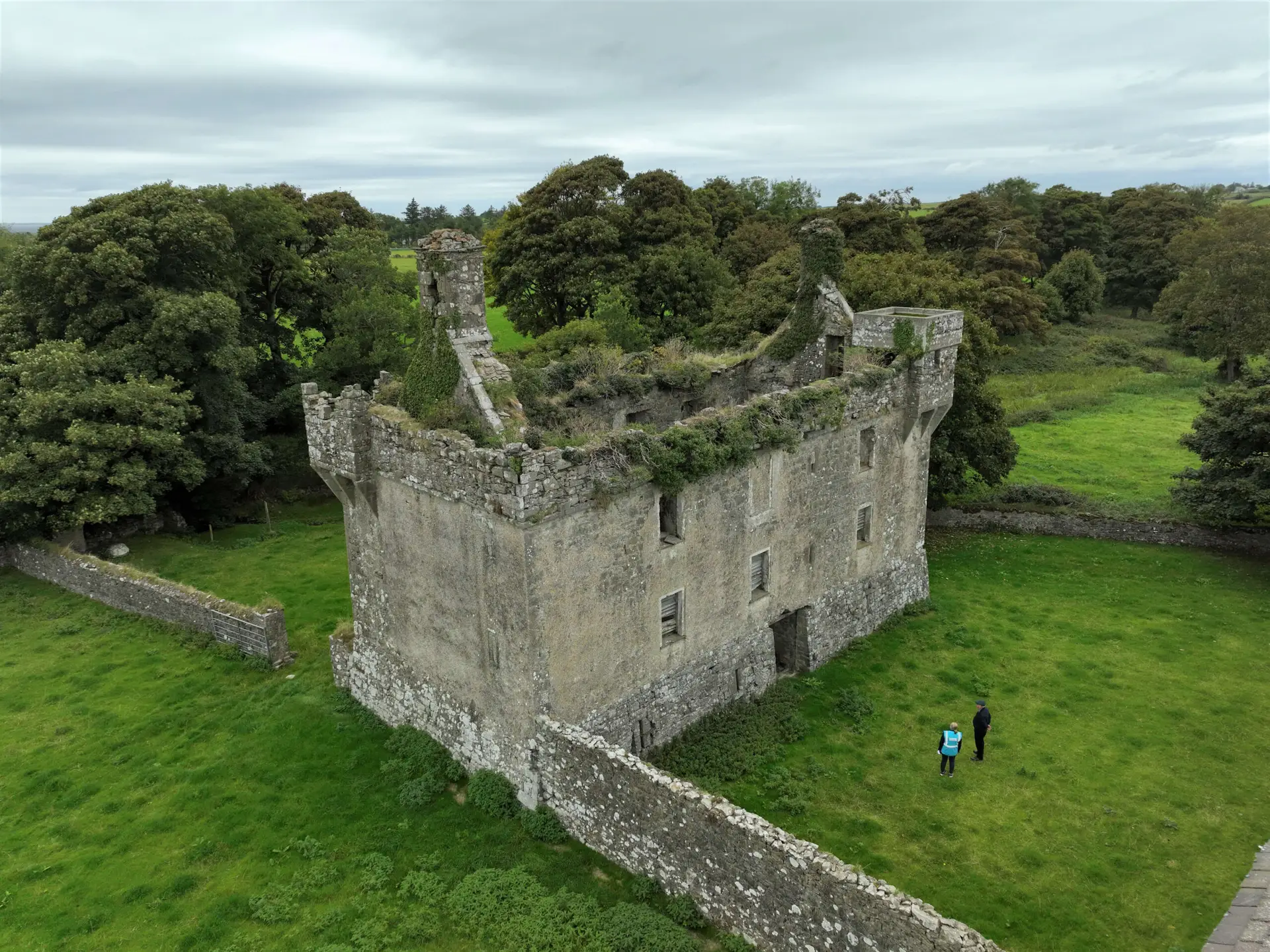
Cottlestown Castle, a late-sixteenth-century O'Dowd fortified house in the barony of Tireragh, Co. Sligo

Castletown / Cottlestown

The inland tower house, holding the ground behind the coast.
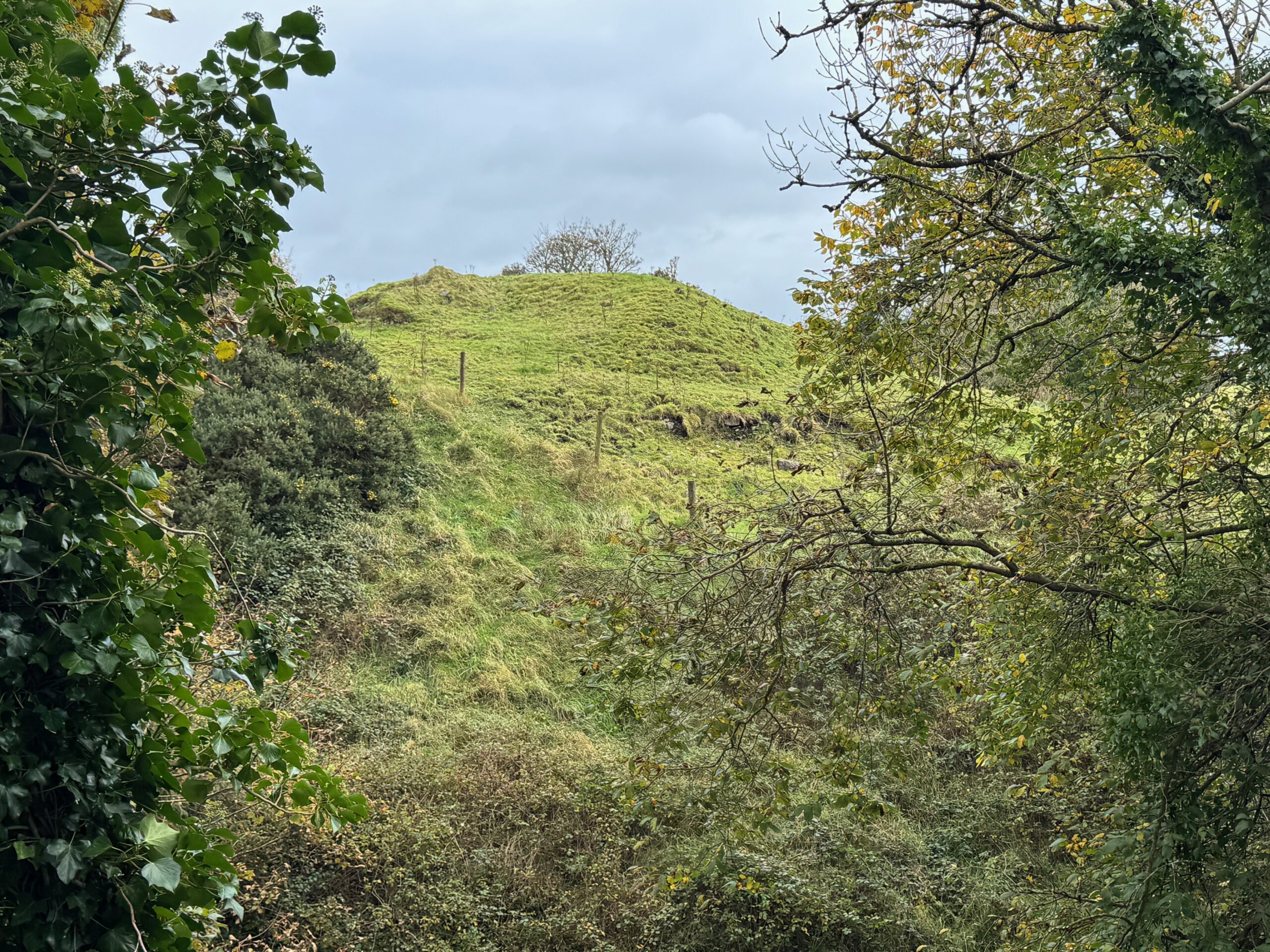
The raised mound at Dunneill, site of the original O'Dubhda castle near Dromore West, County Sligo

Dunneill Castle

Dún Neill — Niall's Fort — the westernmost of the chain, at Dromore West.
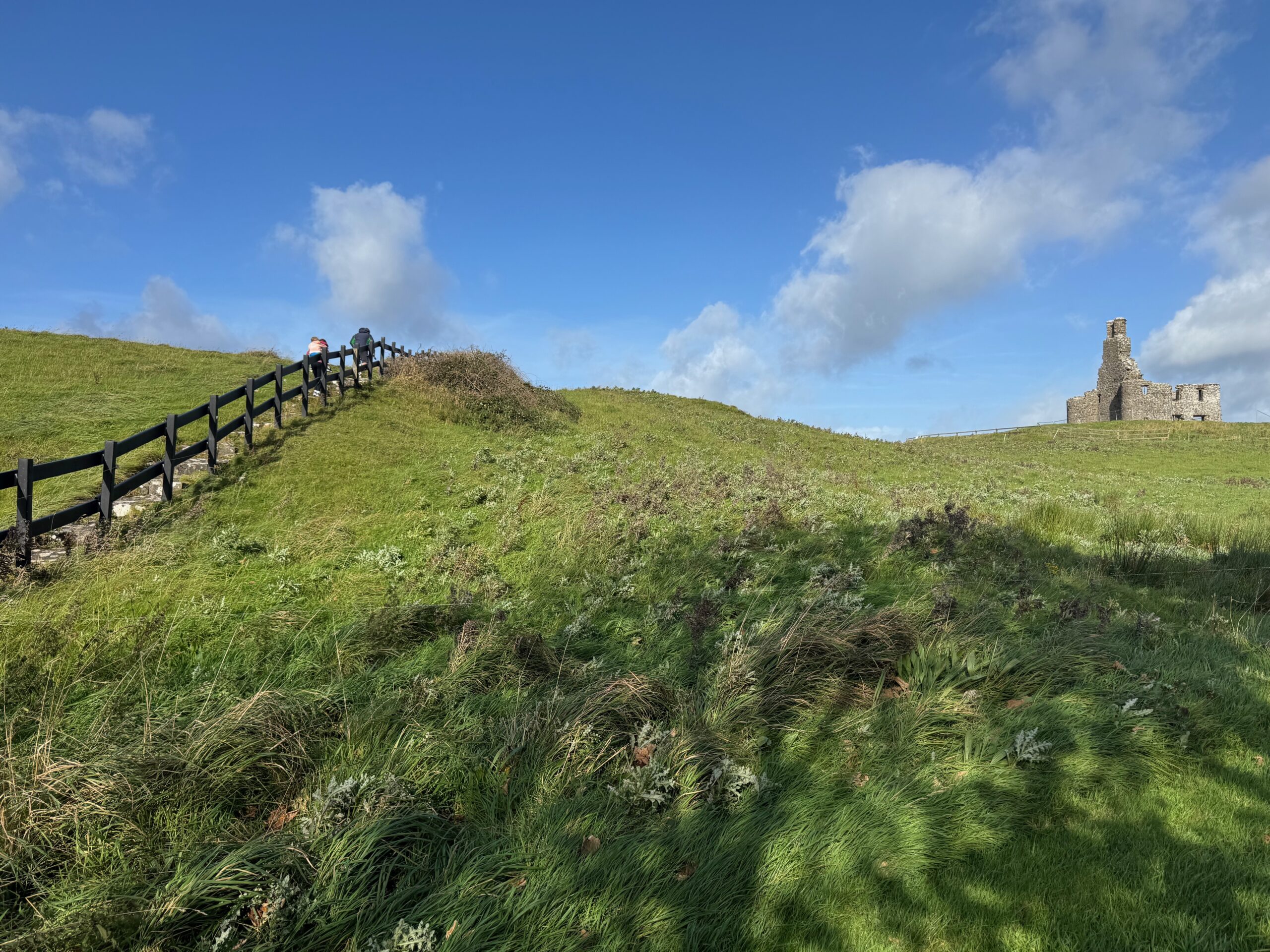
Enniscrone Castle ruins on the ridge above Carrowhubbuck South, Co. Sligo

Enniscrone Castle

The coastal stronghold taken, lost, and retaken across generations.
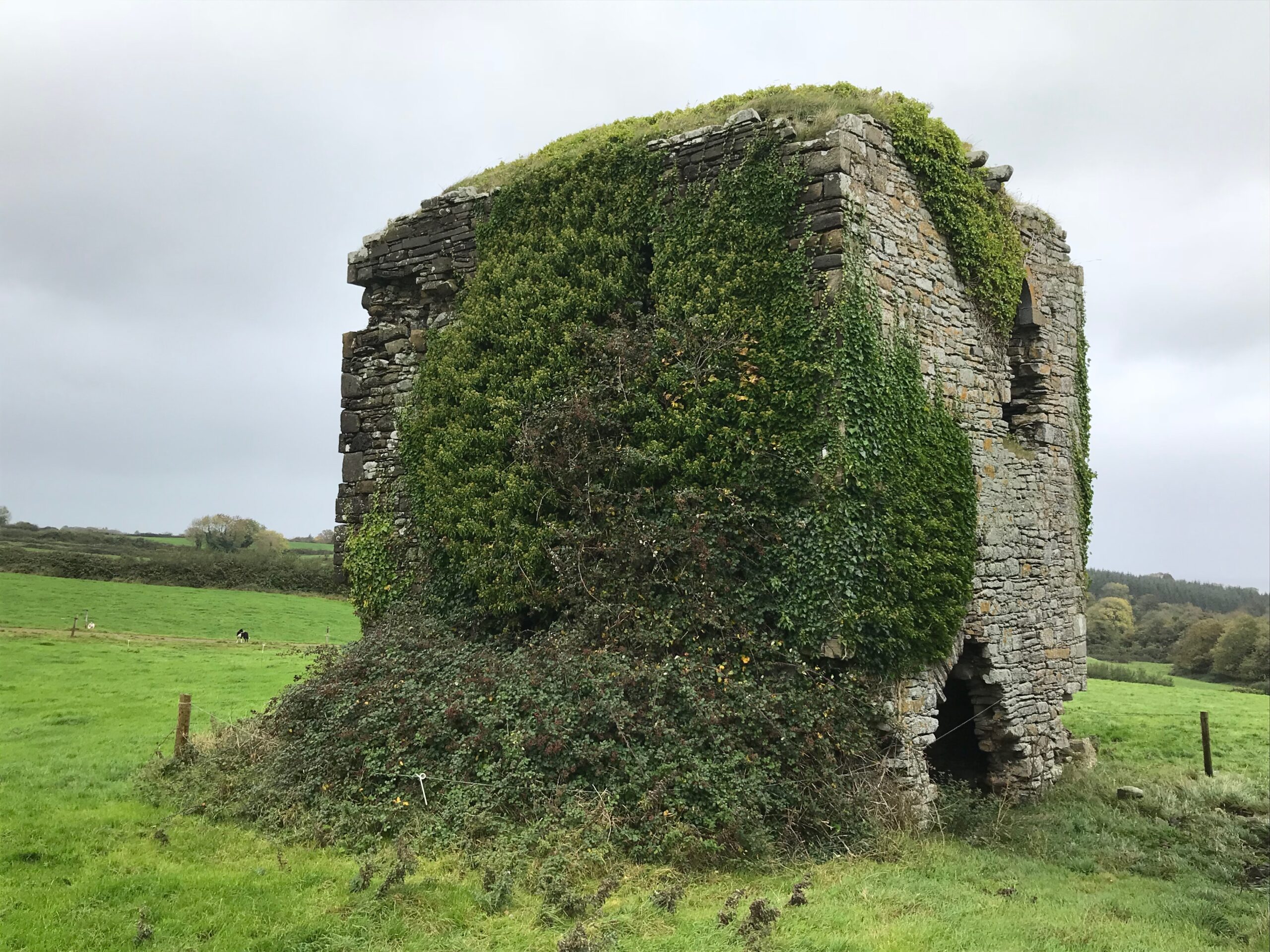
Ivy-clad late-medieval tower at Grangemore, Templeboy parish, Co. Sligo

Grangemore

A tower house on the Sligo plains, still standing in ruin.
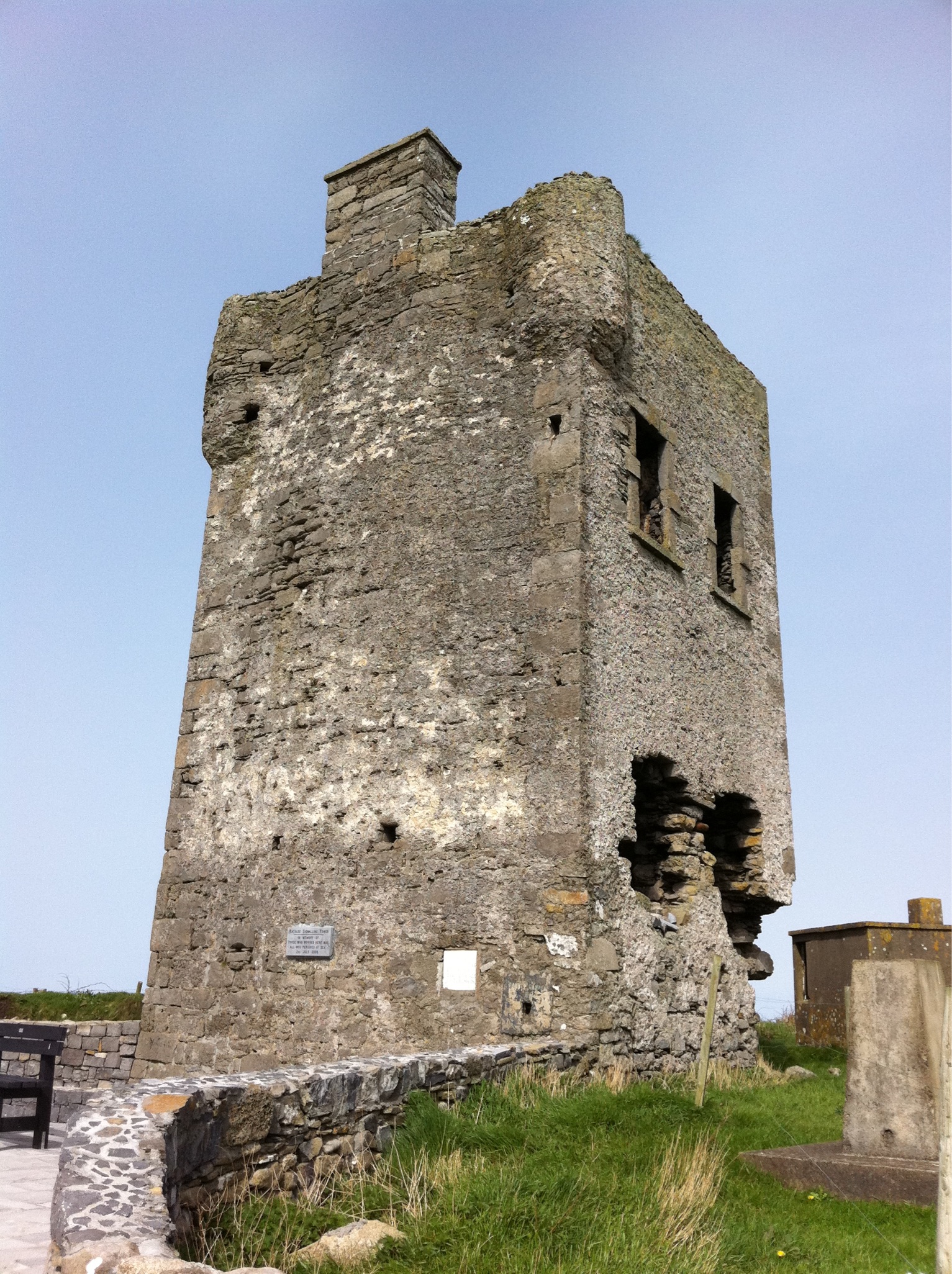
Rathlee signal tower viewed from the grass showing the bartizan at the corner

Rathlee Castle

The cliff-edge watchtower between Easkey and the open sea.
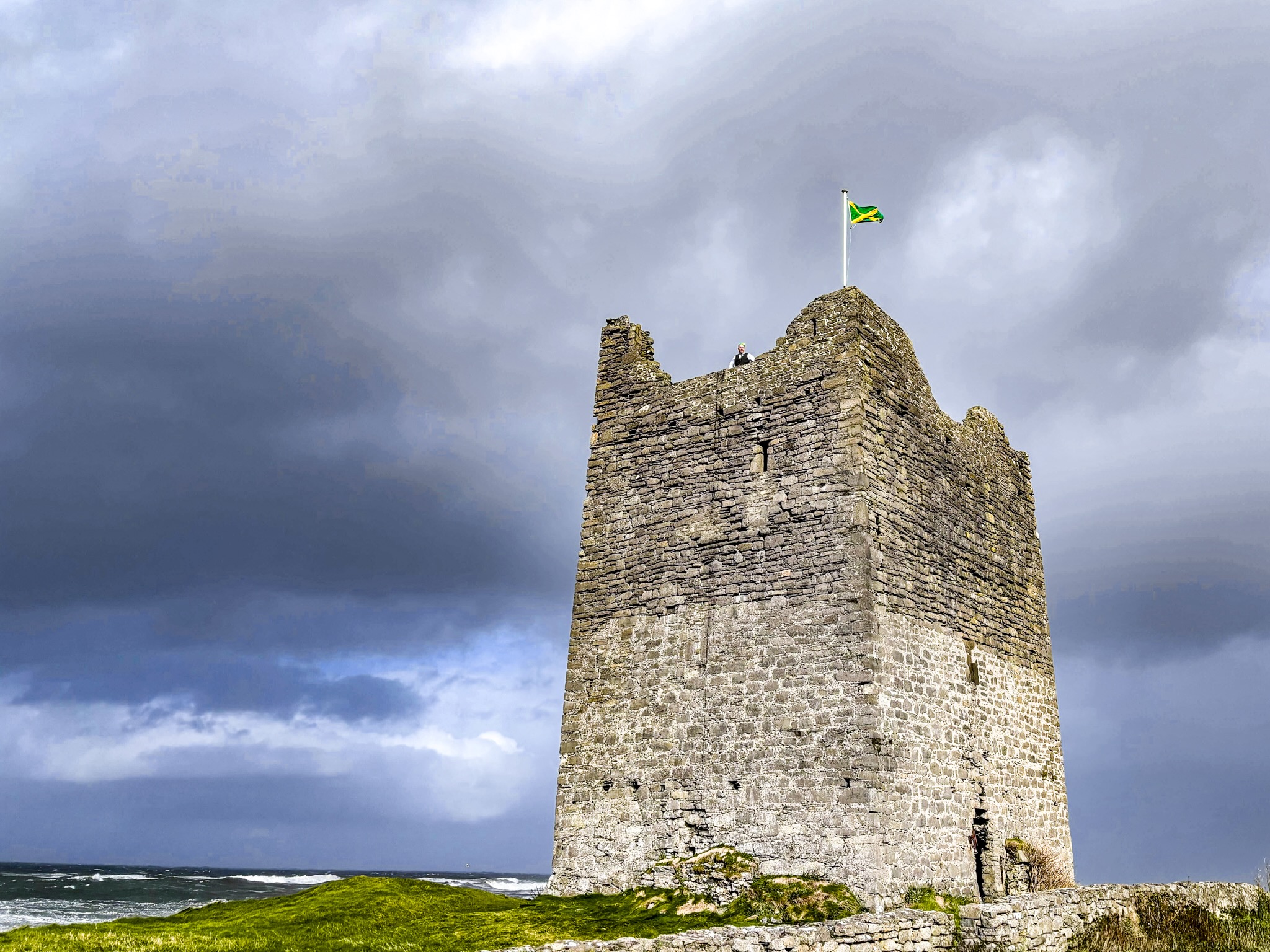
Roslee Castle, Easkey, County Sligo — tower viewed from the seaward side against a stormy sky

Roslee Castle, Easkey

The easternmost O'Dubhda stronghold, planted on the tide-line.
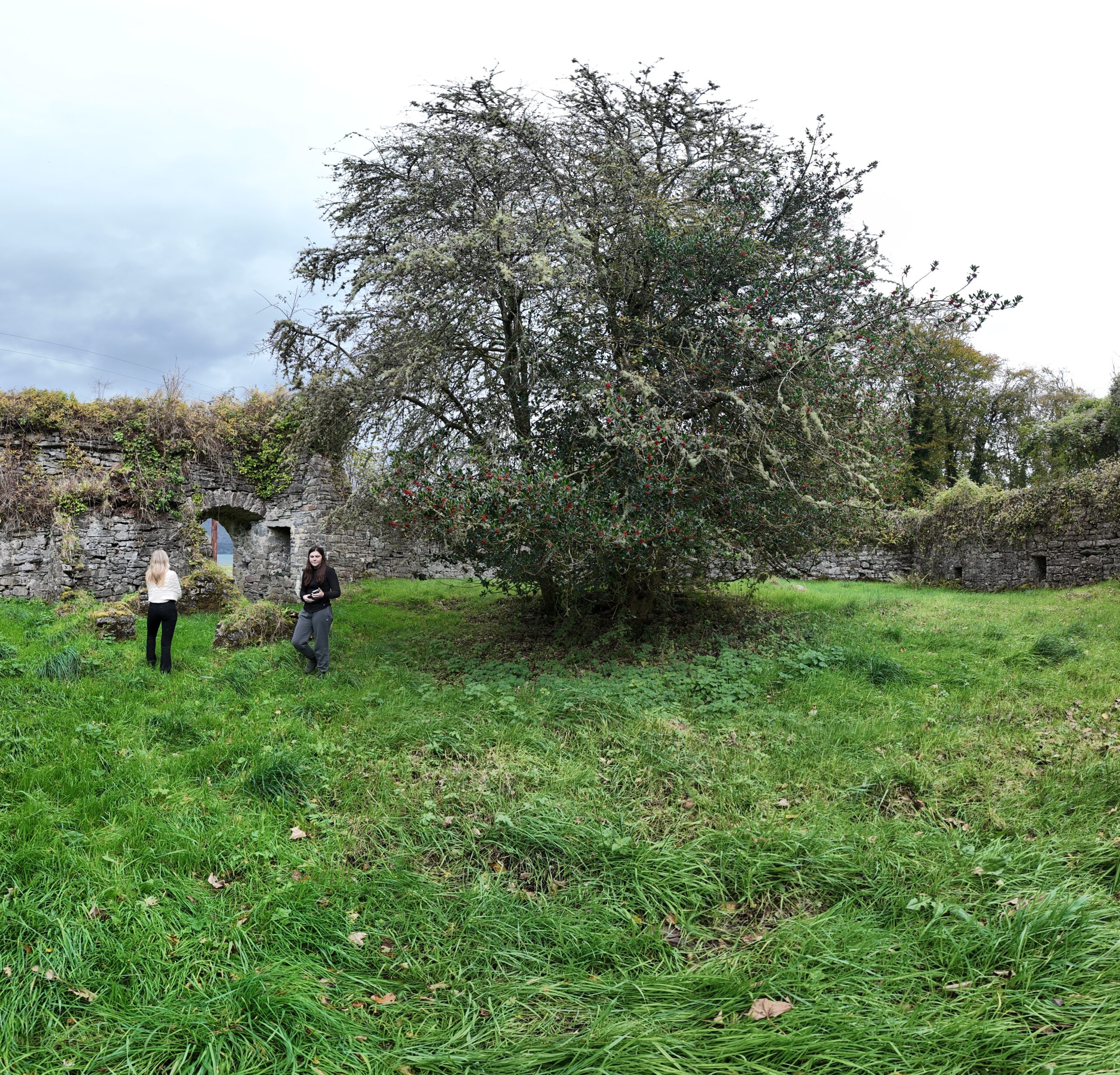
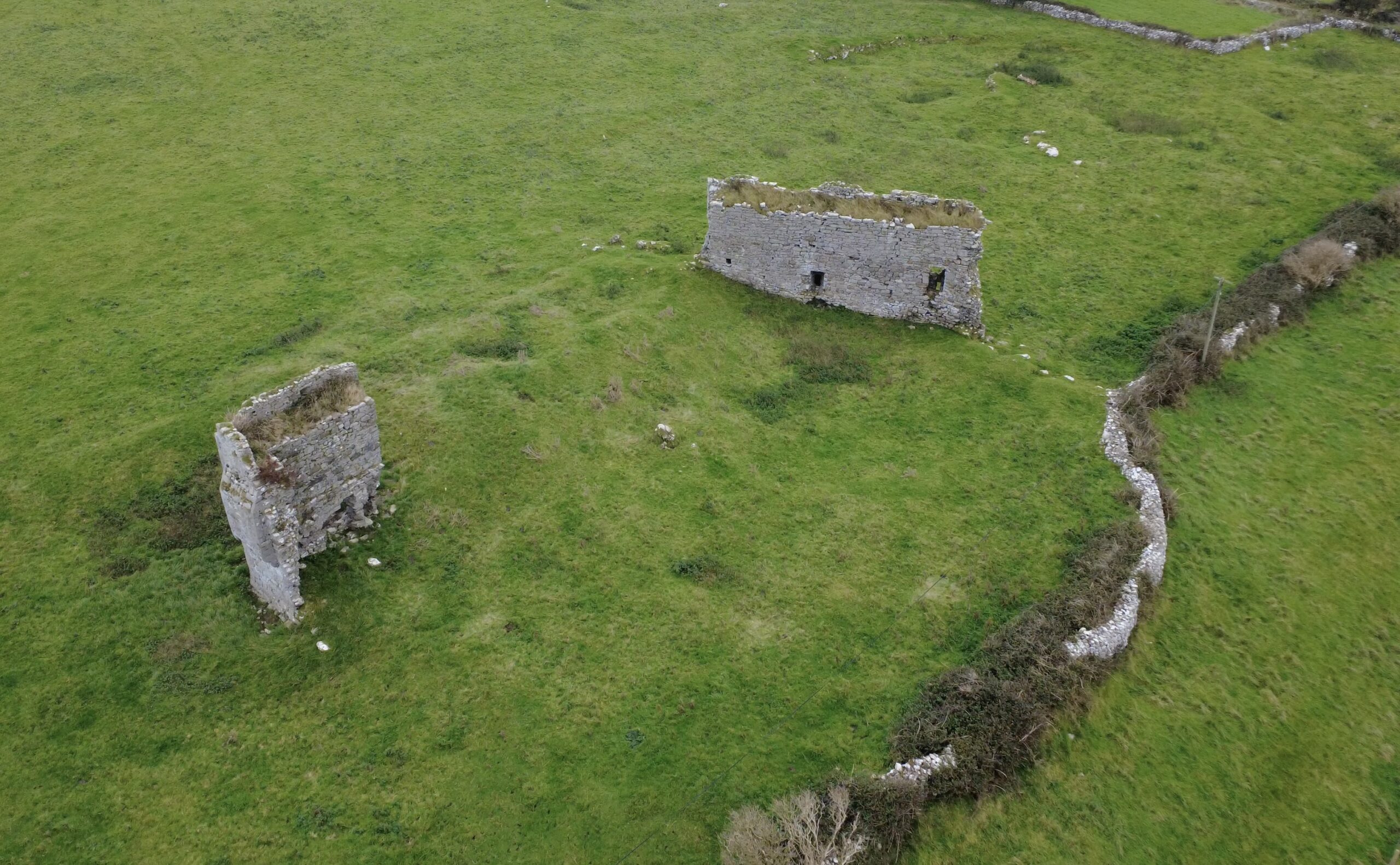
Aerial view of Tanrego Castle bawn walls from the north

Tanrego Castle

The western outpost along Ballysadare Bay.

Why These Walls Matter

The O’Dubhda were a seafaring people. Their castles do not sit on inland crags — they sit on the shore, within sight of each other, guarding the fishing grounds and the long strand where boats could land. For seven centuries the chiefs of Uí Fhiachrach Muaidhe held this coast against Norman incursion, English plantation, and each other.

What remains today is ruin — tower stumps, mound-and-ditch earthworks, a broken gable on a rise. But the placement tells the story. Read the coast as a single line of defence and the logic becomes clear: every castle is a link in a chain, every chain a commentary on who the O’Dubhda thought they were.

(Draft text — to be replaced with verified history from O’Donovan 1836, Mac Hale 1990, and the Landed Estates record.)

Watch

The Castles on Film

A short tour of the principal O’Dubhda castles along the Sligo–Mayo coast, from the clan’s own video archive.

Visiting in Person

Most of the confirmed O’Dubhda castles are ruins on private farmland. None are maintained as formal heritage sites, and none are signposted. But all are real, all are reachable, and several can be seen from the public road.

Publicly Viewable Sites

  • Enniscrone Castle — Ruins stand in open field on the Carrowhubbuck ridge, accessible on foot from the road. Currently a live conservation site; respect any exclusion fencing. Adjoining land is privately owned.
  • Ardnarea — East bank of the Moy, approximately 100 metres west of St Michael’s Church on Church Road, Ballina. A short walk from the Battle of Ardnaree memorial. Private ground; external viewing only.
  • Rathlee Castle — Beside a rural road near Easkey. No official entrance, but visitors may walk around respectfully.
  • Roslee Castle, Easkey — Coastal location near Easkey pier, with views of the North Atlantic. Accessible on foot.

Private Land — Permission Required

  • Ardnaglass Castle — Private farmland off the R297 in Skreen parish. Active livestock fields. View from the public road or seek landowner permission.
  • Castleconnor — Private farmland above the River Moy, north-east of Ballina. Ground is uneven, walls unstable, livestock may be present. View from the public roadway.
  • Castletown / Cottlestown — On private farmland. Masonry is unstable in places. View from public roadways unless landowner permission is sought.
  • Grangemore — Tower house ruin visible from the road on the Sligo plains. Access to the site itself requires landowner permission.
  • Tanrego Castle — Privately owned archaeological site. Access is restricted and requires permission. Contact the clan before visiting — the current owners are known to be welcoming when asked.

Practical Advice

Bring good boots, a waterproof, and an Ordnance Survey map. The coast weather turns fast, and the best sites do not announce themselves. Respect all livestock fencing and close gates behind you. If in doubt, ask locally — these castles belong to the landscape, and the people who farm around them generally know their history well.

Ready to walk the coast?